When QASEH AFEYA ELZANDRA BINTI MUHAMMAD SOLEHUDDIN RASHID Met a 1998 OMR Form
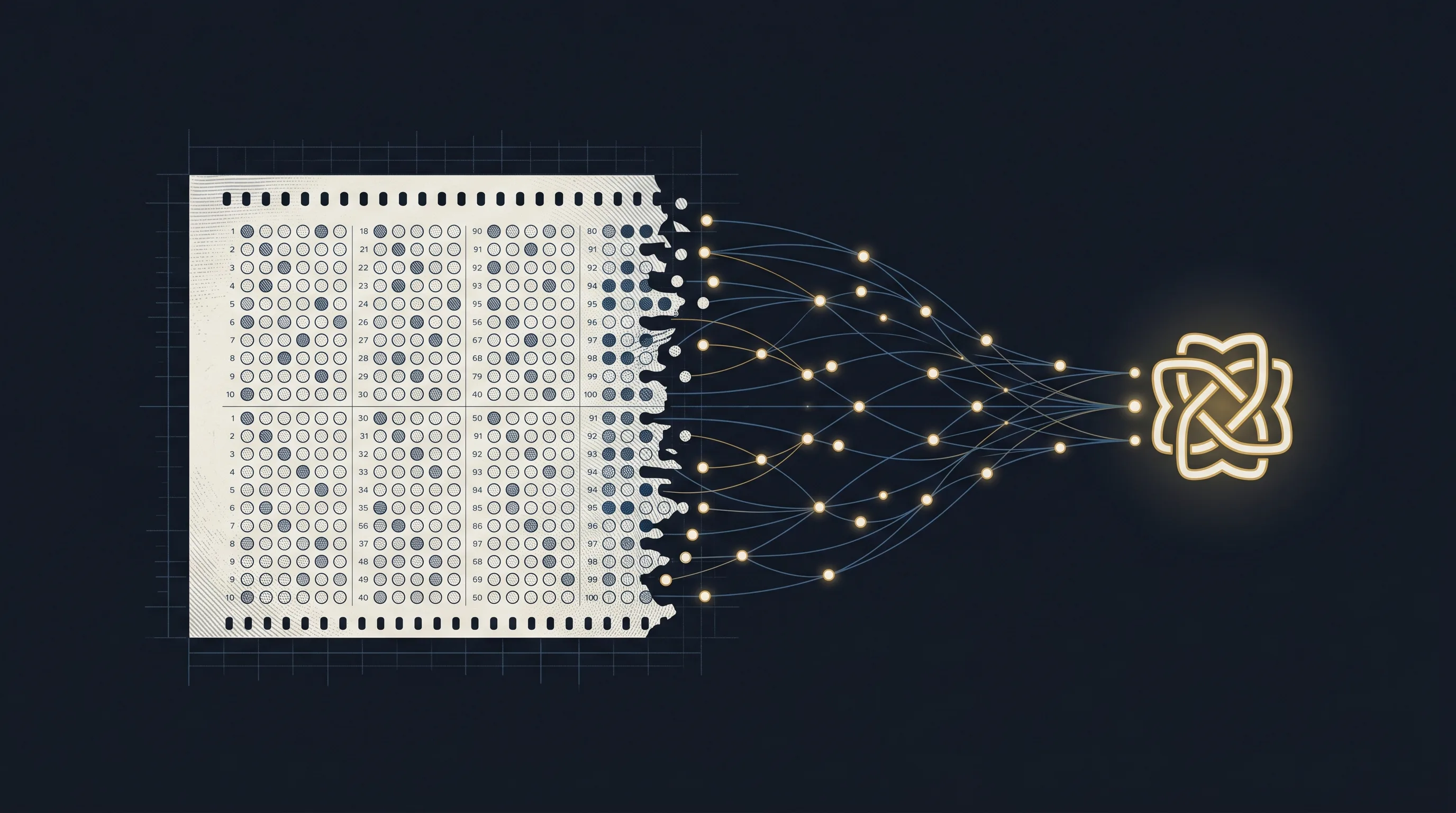
Was going through my user base with my backend team the other day and stumbled upon some NRICs starting with 13XXXX, 14XXXX, 15XXXX. My first thought: who are these super-centenarians signing up? I turned to the fresh-faced Gen Z programmer — hoodie, earbuds, zero panic — and asked, "Bro… this IC says 13XXXX. That's 1913 right?" Without even blinking, he goes: "2013, boss. Relax." Still in my Gen X survival mode, I pressed: "Okay, but what if it is 1913?" He shrugs, full Zoomer energy: "Tak terpikir pulak. Kena tanya JPN lah." You can feel the generational gap in that shrug. I'm scanning for data anomalies. He's scanning Spotify playlists. Then I looked at the names. Gone were the familiar MOHD, ABDUL, SALWANI types. In came QASEH RAYYANA, PUTERI AIRIS, AFEYA QAISARA. And that's when it hit me: we're no longer in the MOHD BIN SOMEBODY generation. Welcome to the Gen Alpha naming revolution — double-barrel Arabic names, emotionally charged meanings, stylised, soft-sounding, sometimes longer than the forms meant to contain them. The essay walks through what this generational shift does to legacy financial systems built around 30-character name fields, OMR-era IC parsing rules, and KYC pipelines that quietly truncate. It's a customer-experience story that turns into a data-design story that turns into a compliance story. The full piece is on LinkedIn.